
A few years ago, Matt Massey felt led to do something big regarding church planting in his city. Having been a church planter himself, he had some insight into the pitfalls and victories of planting a church, and he felt inspired to develop a model that would be sustainable in producing healthy, thriving churches in his city.
“Three years ago, I started the conversation with Vineyard Church Planting at a meeting in Arizona. Having been a church-planter, I knew that was the best way to grow the Church, evangelize, and make disciples. It’s just the best vehicle to get things done faster and in a more impactful way.” When Matt was sent out from the Cincinnati Vineyard in 2002 to plant a church, the model was very different from what it is now. He explained that church planting sometimes felt counterintuitive to the launching church, as sending out your best people might seem to undermine the integrity of your own church structure. “Now it’s the Lead Pastors taking the initiative, finding the best people, and sending them out to start new churches. We’re leading the conversation!” Matt said he identifies with Dave Ferguson’s words: “Our goal is to build the Kingdom, not our castle.”
When Matt began learning about church-planting networks and collectives and the work Dave Ferguson is doing with Exponential, things began to click into place. They now gather quarterly as a network of four churches, in addition to quarterly meetings with the larger Collective of twelve churches.
Practically, Matt says that while he was elected to lead the Cincinnati Collective, when it comes to decision-making, they are a group of equals, and every member’s vote carries the same weight. “My team is excited about it and very involved, but I’ve been clear since the beginning that this is not a Vineyard Cincinnati thing, and I’m just facilitating the conversation. The three main things that we’ve worked on as a collective to be successful have been laying down any pride for the sake of the work, being very clear that this is a church-planting effort and not an Area meeting, and having involvement from our Area Leaders, Clay Harrington and Tyler and Rachel Garvey. They come to every meeting, and having Area Leaders involved and engaging with our churches, saying ‘This is what we’re about,’ has been huge.”
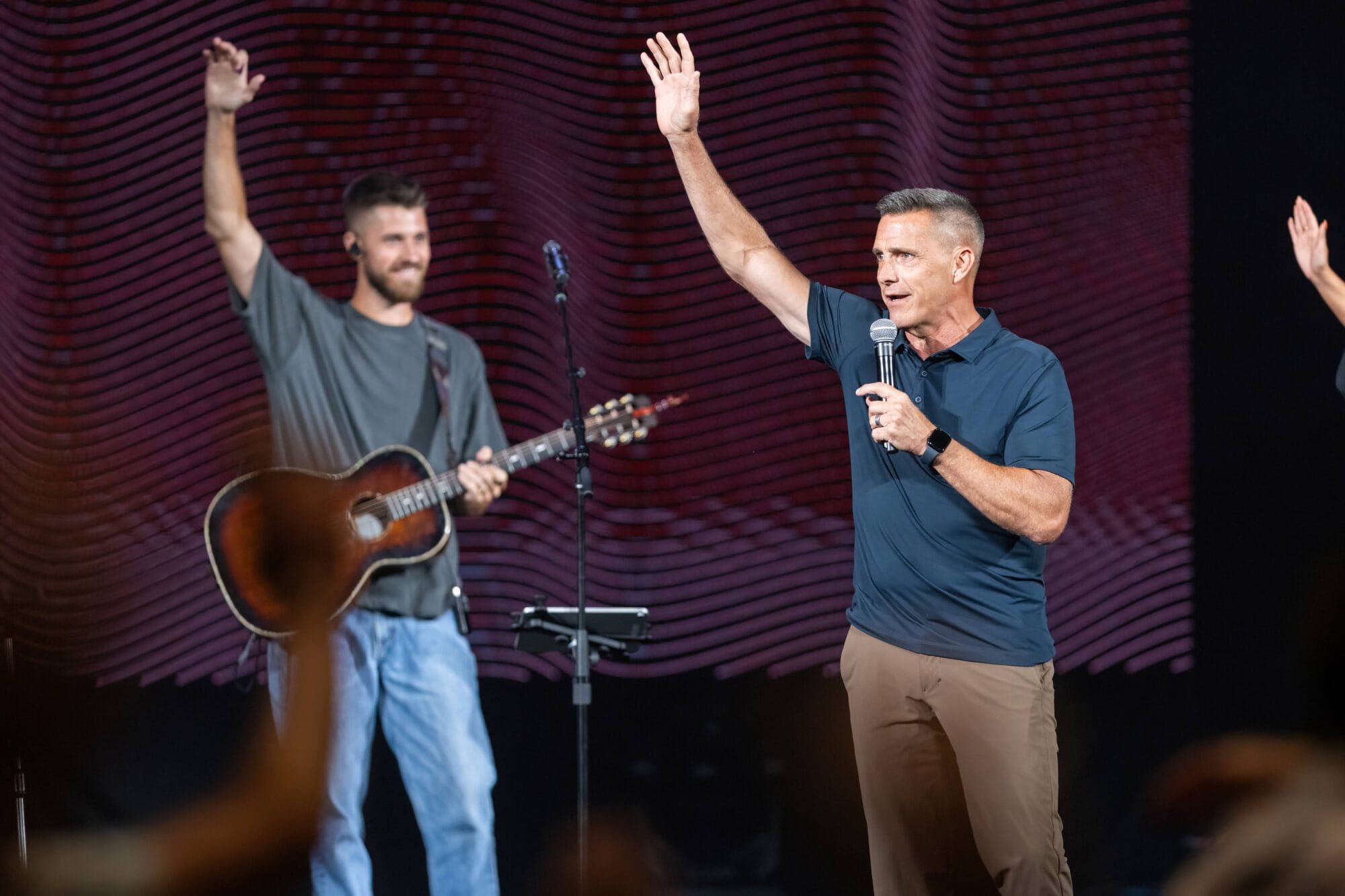
Having been hired back by Cincinnati Vineyard as the lead pastor in 2020, Matt is now responsible for stewarding a lot more resources. Since the formation of the Cincinnati Collective, they have contributed $450,000, part of which was given to Vineyard USA to build church-planting infrastructure, and part of which was used to launch their first two churches. Matt believes that the three biggest factors in planting a healthy church are identifying the right people, money, and having good residencies. Matt describes a church-planting residency as being similar to a fellowship for a doctor. “By the time a doctor starts their fellowship, they’ve worked in all these different areas of the hospital and decided which one is the best fit, and they pursue that as their specialty. For a planter, the residency is kind of a mix between a doctor’s residency and their fellowship. They’ve determined their area of specialty and how they want to do it, and they’re going to spend a year learning all of the ins and outs from someone who’s successfully done it. This is where the gold is!”
Matt has a lot of enthusiasm about residencies because he sees the potential they hold. “It’s not one-size-fits-all; every residency is going to be catered towards the needs of each planter, whether they’re young and green, or older perhaps with seminary training.” By offering a paid residency, Matt believes it sets the planter up for success. “Rather than starting a church behind the eight ball, worn out and broke, working three jobs, [the planter] is put into different areas of training and equipping, and they have lots of space to prepare their launch plan. I really want them to spend half their time each week thinking about the plant, and we’re giving them meaningful work and experience that helps them prepare.”
Not only are residencies incredibly beneficial for a new church planter, but they are a place where new church planters can give back to the Collective by later hosting residencies for even newer planters. “Not only do they feel a sense of ownership and buy-in, it’s a great place to put a new planter because, rather than walking into an auditorium like mine at the Cincinnati Vineyard, which isn’t at all relatable, a young planter needs to see things in real time like ‘What does it look like to use the gym space at a school?’ and ‘What does it take to set up a sound system?’ We don’t ask plants to pay back the money that was invested in their launch, but they can give back through investing time later on.”
Together, the collective has successfully launched two churches last year, and has five more plants in various stages of development that will likely launch over the next two years. Of the two churches launched, one of them is a Vineyard church, and one of them is not. “The collective prioritizes planting Vineyard churches, but we really just want Kingdom growth. I love the “Big C” Church, and we will help non-Vineyard churches and allow them to be part of our collective. But we’re also trying to grow the Vineyard movement, because we believe in it. And financially, the amount of support we give to Vineyard churches is on a totally different scale than to non-Vineyard churches. We’re unabashedly Kingdom, but we’re also unabashedly Vineyard. I think that’s something every network has to think through.”