
Joan Adams serves as the Executive Pastor at the Smoky Hill Vineyard in Aurora, CO, where she has lived with her husband and young adult twins since 2014. Before pastoring, she and her husband both had long careers in the restaurant industry, which shaped much of their life together. “We love food, and food culture.” But she has also come to realize that food became a coping mechanism for her, in good times and in bad.
Upon arriving in Colorado, Joan began working at the Smoky Hill Vineyard. She was eventually hired as a Community Life Pastor and then took on the Executive Pastor role, which utilized her general management skills from the restaurant industry. Kristi Caulley is the Lead Pastor of Smoky Hill Vineyard, and also on the Pastoral Health team for Vineyard USA. “The most transforming piece is working with Kristi and being introduced to all these formational practices. Being open to, ‘Lord, how are you moving in my life?’ Going through Emotionally Focused blew me away, because I was finding the Lord freeing me of lies that I had always believed. I had previously worked for a personal growth seminar company for years as well, so I built a lot of tools and was able to change my behavior in a lot of ways, but it’s different when you have God in the mix, and he has done such amazing things in my life. I became a better parent. I became a better spouse. Unraveling a lot of who I thought I was and who God made me to be. There’s been so much freedom and hard work in the process, but one of the last things I needed to address was my weight. I’ve prayed for years, ‘Lord, help me either be comfortable in my body, or help me have a different relationship with food.’ But I felt like nothing ever changed.”
Initially, Joan was invited to participate in the Physical Health Cohorts as a Pastoral Mentor, but as she invested more into the program, she began to realize that it might hold something more for her personally. “I thought the cohorts were invite-only, so it wasn’t until the third cohort that I asked if I could join. I wanted to address my weight and also strength because I’ve heard that as women get older, it’s important to be strong.”
Joan said that in the beginning, she was resistant to the process and wanted things in a particular way, but as she progressed, things started to click. “I want it to be sustainable in my life. You always hear ‘Diet and exercise, diet and exercise’, but to actually have somebody curate something for me that is tangible and doable, I needed that. And that’s what I got out of the cohort.”
Joan says that she has benefited from shifting her focus to long-term goals and building habits and rhythms that are sustainable, like allowing herself to enjoy food and go out to eat with her husband, but staying mindful of portions and focusing on foods that fuel her nutritionally and make her body feel good. “This has been good for me, mentally and emotionally, to see that it doesn’t have to be hard all the time. I just have to find balance.” Joan also says she doesn’t enjoy working out, but has committed to two days a week, and if she has time and energy for more, it’s a bonus. Her coach has helped create an exercise plan that works for her, which currently consists of 20-minute weight-training sessions at home. “I don’t have to go anywhere, I don’t do my hair. I just wake up and do that first, then it’s… check! I just gotta get my body moving.”
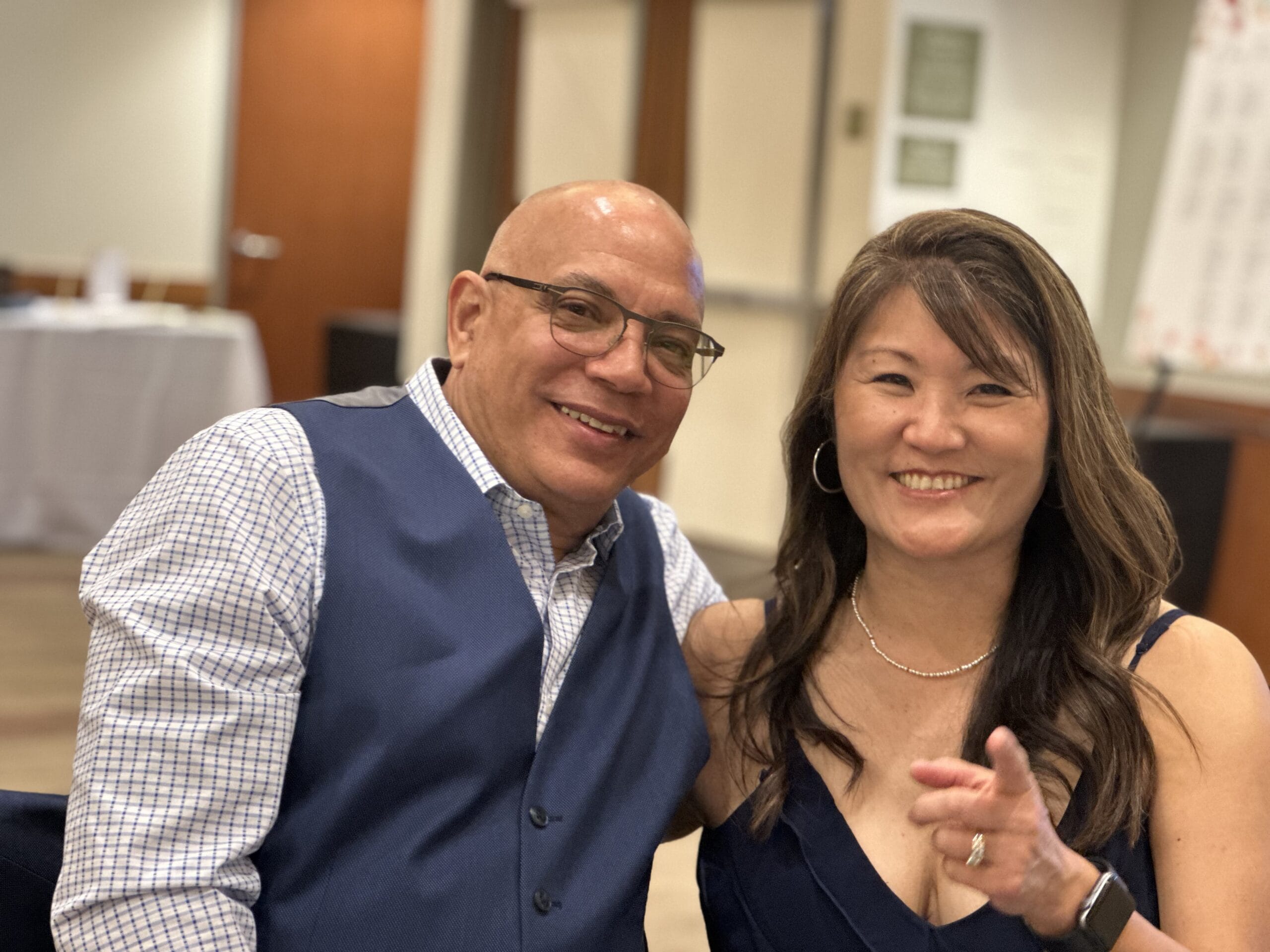
Joan has a unique perspective on the Physical Health Cohorts, having both been a Pastoral Mentor and received coaching, which has helped her work through much of the shame she felt about her body. “I have to remind myself that I have a good body, and reminding myself of why my body is good is part of the process. ‘It’s carried babies. God gave me this body.’ With creating all these new rhythms, I feel like there’s freedom now, that I’m not carrying guilt and shame in my relationship with food and my body.” She shared that the key pieces missing from other programs are the emotional components involved in the work, and inviting Jesus into the experience with you. “You bring your faith with you, and put all these things before the Lord, knowing He can transform us from the inside out. I’ve experienced that, and I get to see continual places where he sets me free.”
The Lord has been good to Joan throughout this process, not only redeeming her relationship with her body but also with her sister. “At first I thought, ‘I need to be really skinny to compete with my sister,’ because I’m always getting compared to her. We’re 15 months apart, and since we were younger, there’s always been a competition over who looked younger and who was thinner. These were things I didn’t realize were binding me. The Lord has done a work with me in that. Since moving to Colorado and becoming a pastor, we have been really close. We pray together, we pray for each other. She’s not only my sister by blood but my spiritual sister. She encourages me, and she’s always the first to root me on.”
While the Physical Health cohort has helped Joan lose weight and feel stronger and more comfortable in her body, she wanted to emphasize that there are many people who join the cohort for other reasons, and not all are purely physical. “I think this program would be great for everybody. There are a lot of people taking it without weight loss goals. Being healthy in body, mind, and spirit…it’s that integration which helped me pursue emotional health alongside the physical. The more I become emotionally healthy, the less food is the natural go-to, and I try to think, “What am I seeking?” I stop and ask questions for myself. I almost feel like if people aren’t working on their emotional health while working on their physical health, it’s a detriment. Just doing that emotional work has been freeing, and submitting this part of my life to the Lord.”